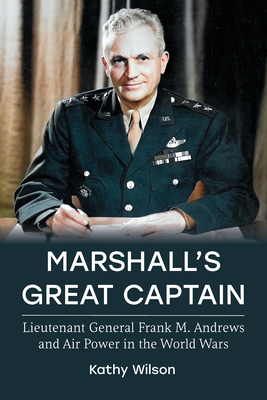

-
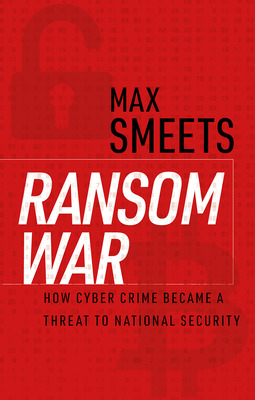
Book Review: Ransom War: How Cyber Crime Became a Threat to National Security
James P. Farwell
Author: Max Smeets
Reviewed by: James P. Farwell, CEO, The Farwell Group
In Ransom War, Max Smeets breaks down how criminal organizations use cyber technologies for ransoms. He explains the way ransomware organizations operate and how they have evolved with the rise of technology. The reviewer sees this book as well written, with relevant examples and concrete arguments.
-
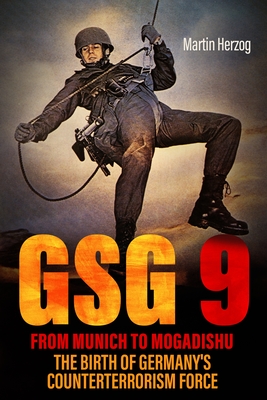
Book Review: GSG 9: From Munich to Mogadishu: The Birth of Germany's Counterterrorism Force
Lester W. Grau
Author: Martin Herzog
Reviewed by: Lester W. Grau, Russian analyst, Foreign Military Studies Office
In the wake of the 1972 Munich Olympics massacre, Germany forged GSG 9—an elite counterterrorism unit that would stun the world with its daring 1977 rescue mission in Mogadishu. Martin Herzog’s gripping account traces the unit’s evolution from humble beginnings to global renown, drawing on exclusive interviews and archival research. This book tells the untold story of how one covert force reshaped modern counterterrorism—and inspired the creation of America’s Delta Force.
-
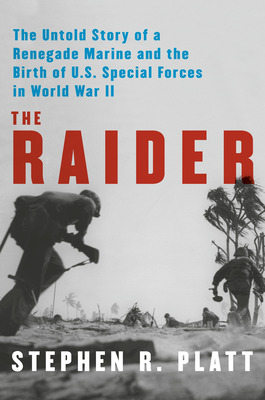
Book Review: The Raider: The Untold Story of a Renegade Marine and the Birth of U.S. Special Forces in World War II
Wylie W. Johnson
Author: Stephen R. Platt
Reviewed by: Dr. Wylie W. Johnson, chaplain, US Army War College class of 2010
In this gripping narrative, Stephen R. Platt uncovers the forgotten legacy of a rebellious Marine whose daring vision helped shape the future of US Special Forces. Blending biography with battlefield drama, the book reveals how unconventional tactics and bold leadership redefined America’s approach to warfare. A must-read for anyone interested in the origins of elite military units and the individuals who defied tradition to forge them.
©2026 Wylie W. Johnson
-
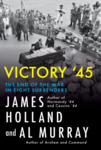
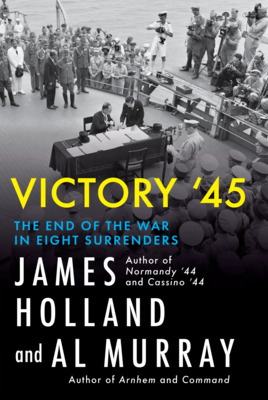
Book Review: Victory ’45: The End of the War in Eight Surrenders
James Allen Knechtmann
Authors: James Holland and Al Murray
Reviewed by: James Allen Knechtmann, supervisory archivist/chief, Ridgway Library Branch, US Army Heritage and Education Center, US Army War College
In Victory ’45: The End of the War in Eight Surrenders, James Holland and Al Murray trace the dramatic final days of World War II through eight pivotal surrender moments that reshaped the postwar world. With gripping detail and fresh perspectives, they reveal how victory was secured not just through battles, but through diplomacy, resilience, and human decisions. This compelling narrative offers a powerful lens on the war’s conclusion and the fragile peace that followed.
Printing is not supported at the primary Gallery Thumbnail page. Please first navigate to a specific Image before printing.