
-
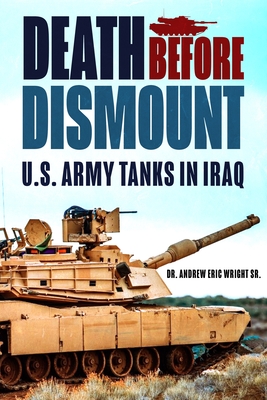
Book Review: Death Before Dismount: U.S. Army Tanks in Iraq
James Stultz
Author: Andrew Eric Wright Sr.
Reviewed by: Colonel James Stultz, deputy commanding officer- support, 4th Infantry Division
In this powerful account of armored warfare, Dr. Andrew Eric Wright Sr. chronicles the role of US Army tank crews during the Iraq War, highlighting their resilience, tactics, and battlefield innovation. Through firsthand narratives and operational analysis, the book captures the grit and complexity of mechanized combat in a volatile theater. It is a compelling tribute to the soldiers who lived by the creed: “Death Before Dismount.”
©2026 James Stultz
-

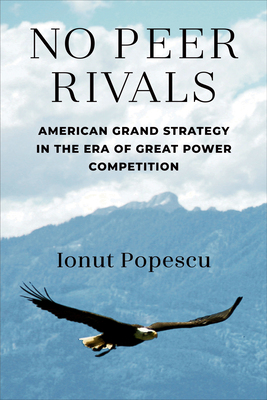
Book Review: No Peer Rivals: American Grand Strategy in the Era of Great Power Competition
Mark Vicik
Author: Ionut Popescu
Reviewed by: Captain Mark Vicik, US Army
Great-power competition demands more than military might—it requires a grand strategy. In No Peer Rivals, Ionut Popescu argues that the United States must embrace a bold, offensive realist approach to maintain its global leadership against rising challengers like China and Russia. This provocative book offers a clear roadmap for navigating the strategic complexities of a multipolar world.
©2026 Mark Vicik
-

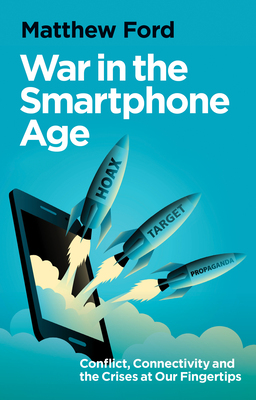
Book Review: War in the Smartphone Age: Conflict, Connectivity and the Crises at Our Fingertips
Caitlan Fealing
Author: Matthew Ford
Reviewed by: Caitlan Fealing
This review of War in the Smartphone Age highlights Matthew Ford’s argument that mass smartphone use is transforming modern warfare. Using recent conflicts, the book shows how civilian-generated data and connectivity accelerate decision making and reshape the conduct of war.
©2026 Caitlan Fealing
-
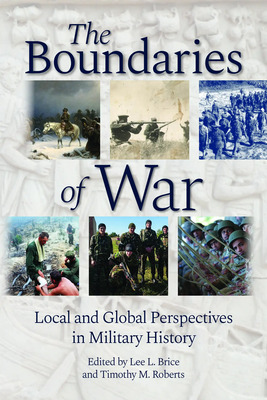
Book Review: The Boundaries of War: Local and Global Perspectives in Military History
Stephen G. Harlan
Edited by Lee L. Brice and Timothy M. Roberts
Reviewed by: Stephen G. Harlan, historian, 99th Readiness Division
The Boundaries of War: Local and Global Perspectives in Military History, edited by Lee L. Brice and Timothy M. Roberts, challenges traditional narratives by exploring how warfare is shaped by both local conditions and global forces. Through case studies ranging from ancient Rome to the World Wars, the book asks whether military history should be understood through regional uniqueness or broader transnational patterns. This thought-provoking collection redefines how we study conflict by bridging the gap between micro-level experiences and macro-level trends.
Printing is not supported at the primary Gallery Thumbnail page. Please first navigate to a specific Image before printing.